

 Teachers talk about the summer slide all the time. That downhill slope that learning often takes during the summer months. We all lose some level of skill when we don’t keep using it. For students, the summer slide can set them back a month or more having to review what they have already learned.
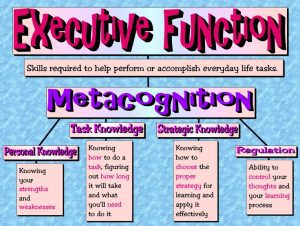
Now, I am not talking about the facts they have memorized, but the process of being able to figure things out through understanding themselves and problem solving. In other words, thinking about how they think or metacognition. This is the real skill they need when it comes to learning.
So, what you can you do this summer to help minimize that summer slide?
-
- Keep them reading. Find books that they are interested in (not just the ones on their summer reading list) and set aside some time each day for reading. After lunch, after dinner or before bed are great times and even better if you are able to read at that time too. Don’t forget to ask them about what they have read.
- Going to camp or on outings? Let your children plan what they need, figure out the route or buy the snacks. Any way that you can get them thinking about how to approach the task of being ready is helpful. What have they done in the past that is similar to this and how can that help?
- Take a walk in the woods, go geocaching, identify birds, flowers, rocks and trees. Get outside and play. Visit the tourist sites near you. What will they be studying next year? Is there an historic site that relates? Take in a museum or zoo.
- Teach and/or reinforce skills through baking snacks, helping with meal prep, doing their own laundry, organizing their room, and/or writing a grocery list or their daily plan. Create a menu of fun activities they want to do. It is easier to check the menu than to come up with something to do in the moment. Do they want to learn something new or improve a skill?
- Weekly (or more) game night. Play games that use math and reading but also keeps their “playing with others” skills active. Building with legos – have a competition. Puzzles too.
- Keep some structure in their day. Kids thrive when they know what to expect. Having morning, mid-day and evening routines can break up the day and make it easier for them to switch activities or come up with new ones. Try a 30 minute “quiet time” after lunch. It works great if you want to swim after lunch but really should wait a bit. It’s a great time for reading, doing puzzles, word searches, or reinforcing weak skills through activities (although I am not a fan of the worksheets), things like math war, or memory games and even flashcards help.
Learning is a process and it takes time.
So, start small and scaffold things where you start with lots of help and then less help as they become more capable. Focus on the process of learning and not the outcome. Keep a growth mindset in mind where they are capable with effort even if they can’t do it “yet.” Allow choices it fosters ownership. Reflecting on what they have done leads to metacognition so be sure to use some of their successes to remind them when they are struggling.
Lastly, and most importantly, it is so easy to supply solutions to children’s statements and complaints like: “I’m hungry” or “Where is my bike”, or “I’m bored,” but when you do, you take away the opportunity to develop problem solving skills and encourage independence. (Also developing agency).
Encouraging your children to problem solve with your help and building on their confidence develops agency. Isn’t the goal to raise lifelong, independent learners with the confidence to handle anything? And, it can be fun!
 I wonder who invented or designed the first closet. Maybe Mrs. Caveman got tired of tripping over Mr. Caveman’s club again and hid it behind a rock. Whatever the reason, closets can be either a black hole or a great tool for organizing. This month in celebration of Clean Out Your Closet Week, we are tackling the coat closet.
 Do you ever feel like your life is a constant juggling act and that if one more thing comes at you, you’ll lose control?

 Not sure how it happens, but once December hits, you can feel the increased tension in the air and see it all around. I do my best to stay positive and keep my Christmas spirit up. However, some people seem to forget there are other people around them and that increased tension seems to shut down their brains Not you readers! 😊
 Do you struggle to think, problem solve or make decisions during the day? If you end up feeling overwhelmed it may be because there are just too many things swirling around in your brain. The term, “brain bandwidth” which simply means, the amount of brain resources you have in the moment, can fluctuate depending on what is going on in your life.
 The kids are back in school. YAY! Take a moment to celebrate the start of the new school year with all its possibilities. September is often a great month for establishing new habits and routines. If you feel that the mornings are rushed or you are frustrated when it comes to homework time, then read on for some solutions to help.
 Are you prepared for another school year? I recently looked at the list of supplies that some schools are asking for and it can easily become overwhelming – especially for the students to keep organized.