

 There are numerous theories about how the brain works, but what I have come to believe is that we can think of the brain as having three parts or personalities. They are the “robot”, the “Yoda” and the “monkey” brain.
The monkey brain is the emotional part of the brain, it is what happens when our self-control is gone and our emotions take control. It is the brain that doesn’t think before acting and is often full of movement and impulsivity.
The Yoda brain is the brain we use for learning and making decisions (when emotions are not involved), it is the rational, thinking brain.
And lastly, the robot brain is the brain that controls our habits and routines. It is preprogrammed to do things automatically with little or no thought involved. The robot brain does not create habits on its own, especially if ADHD is involved. It takes training and practicing and often some tweaking before a set of actions can become a habit. Once there is a habit, the brain can relax and just follow through the motions without having to use up its decision-making energy.
Routines that use the “robot” brain can save you time and brain energy. When a habit or series of steps becomes automatic, you no longer have to think about what to do next. You probably already have several routines that you do each day.
ROUTINES
- Does your morning start the same way each day?
- How about your evening, does it have a routine?
- Does your work day have a routine?
- Bill paying?
- Dinner routine?
- Tax routine (Quarterly taxes or April 15)
- Laundry routine?
- Weekly reset routine?
- Planning routine for the week?
You get the idea. There are plenty of opportunities to create a routine that helps you get through your day without using up valuable brain bandwidth.
Where Could You Use A Routine to Save Time and Energy?
- Are you frequently late for work or appointments?
- Do you need to get groceries before you can cook dinner?
- Have you ever missed a bill payment or paid a late fee?
- Is your home cluttered and/or disorganized?
If you answered “yes” to even one of the questions above, then a routine can help.
How to Create a Routine
First, pick a problem to solve. Why is that a problem? Now, think about what it would be like if that was no longer a problem. How would your life be different?
Next, pick three steps (yes, just three) that you think are important for this new routine you are creating. It may not be the entire routine, but it is the 3 most basic steps to get you started. Now close your eyes and run through those steps in your mind. Does it flow smoothly or should you do the steps in a different order?
An ADHD brain can struggle to remember the order of steps which makes each day a new pattern. This doesn’t help create a routine and actually uses MORE brain power and decision-making energy. The idea of the routine is that when it is automatic, you are saving brain power and energy because there is no thinking involved.
Finally, find the order of steps that works best and “practice” doing it until it becomes a habit. Then you can slowly add more steps to the routine, making sure it works for you and the way you think. It has been suggested that linking a new habit with an already established habit can make an effective “trigger” to start the new habit. Is there something you already do that you can link this new routine to? Once you feel the first routine is working you can either expand it (although don’t make it complicated) or you can start to develop another routine to help yourself solve another challenge.
Habits are tricky things but once they are established – the benefits far outweigh the struggle at the beginning. Keep at it. We are here if you would like some coaching to help you design and navigate establishing new habits and routines.
 There once was a Mama Bear who felt like she was part “day planner, authoritarian, and task master.” Every day she would go through the calendar and the to do list. She would gently remind the little bears what activities they had or what they needed to “get done” and also prompt the Papa Bear of what he needed to remember too. Often the Mama Bear would mention a task or problem that needed fixing, and unless it was urgent, or Papa Bear had free time at that moment….it often went undone. This continued for years until the Mama Bear realized she was doing all the remembering and everyone was depending on her to think for them and still things were not getting done.
 The kitchen is the heart of the home. It’s where we cook, we eat and we connect with our loved ones. Special occasions will find friends and family gathering there too. Shouldn’t it be an organized, peaceful place?
 Decisions, decisions, decisions. Are you overwhelmed by the decisions around what to wear today? When was the last time you said, “I have nothing to wear?” Yet, are your dresser drawers and closets overflowing? Let’s talk about taking care of all that “inventory” and how you can make it less stressful.
 This September, especially after last year, may be a bit more difficult to manage because we are all out of practice. Sure, some students continued to go to school and maybe you had to continue to go to work. For many, last year was a combination of situations with a few extra pivots thrown in just to keep us on our toes.
 Last month we talked about cleaning up some of the paper piles that you have been collecting and reducing the amount of paper you hold onto “just in case.” I hope that you are feeling lighter by now and can focus on reducing the number of places you keep the remaining papers so you can find what you need when you need it. If you didn’t finish, that’s okay but try to deal with all the paper that is coming into your home each day. Don’t wait until you have cleared out the backlog as that is an ongoing process, not one that can be done quickly.
 Long term Storage: This storage should be out of the way but still easy to get to. You don’t want it taking up valuable space in a closet when it can stay safely in a plastic box in the attic or a dry basement. As your kids grow, this may also be the space you put there most treasured items. Be sure to use an archival box to protect them. I hesitate to even mention warranty booklets – most are available online so there is no need to hold onto them. Think about how many times you have actually had to use one of them. Was it worth holding onto? The biggest problem with long term storage is it mostly likely will not get looked at again. Every year though when you go to put your tax documents away you can take out the documents from 4 years ago and shred them. If you are getting electronic copies, you can delete them too. The records your computer is holding also need to be gone through and/or put into folders that have broad categories with very specific file names. Computer documents are a whole newsletter on their own. I mention them because the push now is to scan copies and shred the paper copies in order to reduce the paper in your home. If you do that, be sure to tag them and use specific file names so you can find what you are looking for.
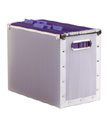 Last week we gathered together all the papers needed to fill out the tax organizer we received from our tax accountant for filing our Income taxes. You know the property tax receipts, the charitable giving receipts, the tax documents that come in the mail, etc. All of it pretty well categorized and easily accessible. Then it happened….I needed one receipt from a purchase two years ago that I hoped was in the supporting documents from that year-but it wasn’t.
 Motivation is that “intangible thing” that drives us to do something willingly. I’m sure you have felt it when you get into a project and the time flies by and you are making great progress. You may also have experienced motivation’s evil twin “procrastination.” That’s when no matter how hard you try you cannot seem to make progress. It is often accompanied by feelings of guilt, frustration, stress and anger.
 January 20, 2021, Inauguration day, was the start of President Biden’s term as the 46th President. He has mentioned that he has an ambitious plan for his first 100 days. That got me thinking why not create my own 100-day plan? Think of all that you could do/change/create or improve in 100 days. What would that feel like?