Homework Coach or Enforcer?

frustrated over homeworkIs homework a battle in your home? If you find that it has become a nightly battle or that your child or teen has lost interest in school; then it may be time to try a different approach. I will admit I sympathize with teens trying to become independent when often the adults around them are inadvertently taking away their sense of control. If you find that you are constantly asking them if their homework is done or suggesting ways for them to get it done then here are five tips to take you from homework enforcer to homework coach. Remember the role of a good coach is to encourage problem solving skills, develop independence and provide support when needed.

          • The first and most important step is to realize whether or not you are enabling your child/teen to feel helpless. If you are constantly reminding them to do their homework, get ready for school, pack their backpack, or go to bed why would they need to remember? The same thing applies if you are solving their problems for them or designing their notebook your way. All of these things take the pressure off of your teen and puts it on you. You’ll need to work together to figure out how much your teen can do independently and what he or she might need a little support for. I know it is often easier to keep track of it yourself, but teaching your teen to problem solve, keep track of assignments and get their work done independently are all skills they need to develop for a successful life.
          • Ask questions that begin with the word, “what” rather than “did” or “is”. Questions that require a simple yes or no answer will only get you the one word answer. Ask a question that requires them to answer in a sentence that gives you some real information. For example, “What homework do you have left to do?” This sounds less judgmental and requires more than a one word answer to reply. Good coaches ask higher level questions that need explanations, rather than simple one word replies.
          • Start with the end in mind, is a term that Stephen Covey used but is helpful for those having trouble with completing homework. Help your child visualize what that assignment or project looks like when it is completed. Then you can guide them to work backwards to include all the steps necessary to get it to that point. You can also help “backwards plan” long term projects with specific dates to work on the pieces of the project. If necessary, create the plan together and then have certain check ins rather than always asking if it is done.
          • Discuss with your child/teen what kind of an environment is best for them to work in. Do they like it quiet and away from the rest of the family or do they like to be where the action is? Many younger students don’t like to be alone in their rooms, for them it is easier to work in the kitchen or close by. Use a trifold foam board to create a distraction free zone and keep the TV and radio off and let them use their own music with ear buds. I have read that music can “satisfy” the hungry ADHD brain by providing enough stimulation to help it relax. This is done by listening to the same playlist every day during homework time. It is not picking each song but pressing play once and letting the same music play lightly in the background for about 30-45 minutes. That is long enough to get some work done. Have them take a short break and then get back to their homework and play that list of songs again.
          • Make sure your children have some “down” time. Everyone is entitled to relax after a long day. In fact, research says that having some down time after working, helps the brain to process what was just learned. Many students are not getting the 8-9 hours of sleep they need to do their best. Those with ADHD will benefit from designing a “routine” for sleep. Start with shutting down electronics at least 30 minutes before bed (the blue light stimulates serotonin the wake up hormone), dim the lights (good for increasing melatonin the sleep hormone) and relax. Add in the other bedtime get ready tasks and aim to have them in bed around the same time each night. Aim for at least 8 hours but 9 is ideal.

Parents, you are your child/teen’s life line.They may continue to need your support throughout school but as they enter middle and high school, it is time for them to develop their problem solving skills. That means they don’t need you to solve their problems or challenges for them but to work with them to come up with solutions together. Stay calm. When stressed, cortisol, the stress hormone, is released into the body and it can literally shut down the brain making it nearly impossible to think. Students cannot force their stressed brain to think at that point and it is best to take a break and go do something active. Exercise increases the level of dopamine and other neurotransmitters (good chemicals) in the brain that can help get them back on track. If the situation gets too stressful, it is best to just walk away. Homework is homework….let the teacher deal with it.

Thanks for reading,

Laine

7 Steps to a Successful Day

Late againEver have one of those days when everything seems to go wrong? Well research now says that a chemical change occurs in the brain when the first thing goes wrong in the morning. Then our reaction to that one thing can set the tone for the rest of the day – even after the chemical change is over. Bad days happen to all of us now and then but here are seven steps that can turn those days around. Start tonight!

1. Set a bedtime! This is first because it can make the difference between having enough energy to get through a busy day or feeling sleep deprived and self-medicating with caffeine or food all day long. Make sure you get enough sleep (7-9 hours for adults) to wake up refreshed.

2. Make a plan the night before. What are your priorities, list appointments and/or meetings and think about what you need to get done and also what is coming up in the next two days?

3. Decide what you’ll eat tomorrow. What is for breakfast, lunch, dinner and snacks? By thinking about it ahead of time you are less likely to make unhealthy choices. Having a weekly meal plan takes the stress out of thinking about what to prepare for dinner each night.

4. Load the launch pad. That area near the door where you keep all that you need to take with you will take the stress out of your morning rush. Make sure keys, pocketbook, cellphone, id and anything else you need is ready to grab at the door. Put out tomorrow’s clothes and jewelry as well. No thinking in the morning required.

5. Plan when to “move it” for 30 minutes tomorrow. If you try and wait to see what “feels like” a good time to workout, you probably won’t. By setting the time ahead of time, you can set out your clothes, call a friend to meet you for that walk, or just wake up ready to exercise and know that you have started your day off on a positive note.

6. Drink more water. According to the CDC we don’t drink enough water. So bring a few bottles with you so that you have them ready and space them out throughout your day. Getting the bottles ready the night before, makes it just a matter of grab and go. (Or get yourself a large refillable, non-plastic bottle.)

7. Allow extra time in the morning. If you don’t like to jump out of bed as soon as the alarm goes off then allow for extra time. You want to be able to get ready for the morning at a leisurely pace and not have to be rushing here and there. Stress can affect your entire day.

Do whatever you can the night before to make your morning run smoothly and you’ll feel so much better at the end of your successful day.

Lights! Camera!…..ACTION! 15 Steps to Get Going

frustrated studentTaking action and following through on something that has to be done is often difficult for those with ADHD or Executive Functioning challenges. In most cases, students and adults understand the importance of completing something but find it difficult to actually “move themselves” to action. What is happening in the brain, in my understanding, is that the level of dopamine is not sufficient to reliably carry messages/signals from one side of the brain to the other or to provide enough motivation for action. That makes this difficulty neurobiological and not motivational. There is a big difference there as often we have seen things get completed before and feel that if it can be done once why not every time? Such is life with ADHD and/or Executive Dysfunction. Inconsistent ability to take action doesn’t occur alone, it often involves other executive functions like, organization, planning, working memory, task initiation, self-regulation, focus and time management. So rather than it being one simple cause, it is often a combination of things that is getting in the way. Also not learning from previous experiences plays into why this same thing continues to happen over and over again. If possible try to break it down to see what is really getting in the way and work on one piece of the puzzle at a time.

Here’s what it may look like in students:

Inconsistent ability to complete homework regularly (or long hours spent doing it)
Last minute approach to long term projects
Being late or last minute
May look like a lack of motivation, not caring, or teen age “attitude”
Failing tests due to inability to study enough (or up past midnight studying)

In adults:

Often late (but only by a little bit) or last minute on meeting important deadlines
Procrastination and/or lack of follow through
High energy and always appear to be very busy without actually accomplishing a lot.
“Paralyzed” when they don’t know how to do something or don’t want to do it
Inability to prioritize

Here’s what can help:

    1. Make a “must do” list that only includes the top two or three things you must get to
    2. Start with the most interesting task first
    3. Set false deadlines for yourself or be accountable to someone else for completion
    4. Break it down into manageable size actionable steps and use verbs for each step
    5. Set goals and behavior contracts weekly with students (too far in advance is worthless)
    6. Act as a body double for your student by being close by during homework time and doing your “homework”
    7. Teach your child to “talk to themselves” and ask questions to keep themselves on track
    8. Support them or provide supports for them but don’t do it for them
    9. Keep the end in mind – what will the homework look like when completed and what will I do after it is?
    10. “Suffer” through five minutes – it may motivate enough to keep going
    11. Exercise or do something active to increase the dopamine in the brain before beginning (snacks and water help too)
    12. Remind yourself and/or your student of past successes
    13. Change the environment, change the task or change the expectations
    14. Use timers and allow five minute breaks for every 30 minutes of work (minimize distractions)
    15. Use plenty of positive reinforcement that mentions specific actions you see your child doing

Motivating someone else or even yourself to take action often depends on how important the task seems (that adrenaline rush is actually raising the dopamine levels too). If someone else (usually your kids or spouse) is waiting on you to do something you may be more likely to do it. In school, students can often “force” themselves to get something done for a favorite teacher or subject but may feel it is torturous for their least favorite. Start small and put checklists, timers, notes to self (especially where you leave off on a project) and use the steps above that help. Having something to look forward to can often provide an extra push so be sure to reward yourself and/or your child. Now, get going!

Motivation Holds the Key – For Students

motivation

Motivation is that hidden power that gets you to do something that you might not have otherwise wanted to do. It has been defined as an “incentive, drive or desire to do.” It is the inspiration that pushes you to score that goal, or ace that test. It can help you keep at something when you would prefer to quit.

Now I know that it can be difficult to motivate yourself when it comes to school stuff. I get that. But without understanding the “why” behind what you are doing, you may never find that extra motivation to get you through the tough times.

They say there are two types of motivation, extrinsic and intrinsic. Some people are motivated by external or extrinsic rewards – things that can be bought or received (games, toys, $). Others are motivated by internal or intrinsic rewards. Intrinsic motivation is like the special feeling an “A” brings, or that feeling of pride in yourself when you make the honor roll. I think there are two other types of motivation – pain and pleasure. For those that are motivated by pain, they work harder to avoid the “pain” (getting grounded or losing the computer). Those motivated by pleasure are motivated to get things done in order to be rewarded like extra time with friends, or staying up later. So, once you know which motivates you, you can create options for increasing your own motivation.

Today I’d like you to think about what motivates you. What gives you that extra energy or incentive to push harder when you really don’t want to? Is it extrinsic, intrinsic, pain or pleasure motivated? Why are you working hard to get good grades and what helps push you to work your best? Share with your parents and get them on your team. You are half way through the school year… knowing this and using it, can help you through the rest of the year.

What is your key to motivating yourself? Finding your “why” and making it important. That will help you push through when the homework or the studying gets tough because you have a reason that is important to you. You have found what motivates you.

Motivation holds the key!

Easy Steps to Going Green

Go green save earthMaking simple changes/choices towards a more “greener” lifestyle is good for your health, your family, your environment and the planet. Today’s article talks about three areas to help you navigate along the green path. First up is food. There is a lot of press about organic vs. conventionally grown produce and the amount of pesticides and other chemicals in our foods. Knowing where your food comes from can tell you about how it has been grown. With Farmer’s Markets beginning, you have the opportunity to ask the farmer how it has been grown. Buying local also cuts down on energy used and pollution created from shipping from the other side of the globe. The closer it is, the fresher it is too.

Going 100% organic can be expensive however, and so a consumer health group called the Environmental Working Group, has created a list of the “dirty dozen” – those 12 fruits and veggies that have been shown to have the highest amounts of pesticide residue. They recommend buying organic for these. They also created a “clean 15” list, which lists the 15 cleanest fruits and veggies that you can feel safe buying conventionally. For processed products check the ingredient lists – the shorter the list, the more likely you can pronounce the ingredients. That could mean fewer chemicals and preservatives in the food and in your body. Keep BPAs (giant name I won’t even try to spell, that has been shown to affect hormones) out of your food by not microwaving anything in plastic. Use glass for storage whenever possible too.

You can also reduce your exposure to chemicals by opting for the more “natural” choice when possible. I’m no expert but I have tried to switch from popular brands of cleaning products to those made by Method and 7th Generation or I just use vinegar and water. I have been happy with the results and feel that they are no more expensive than the other brands (I get them at Target). I’ve also found that my husband’s allergies seem to bother him less. So, I’ll continue to watch for new products and to replace what I can with a more earth friendly and “Laine” friendly product.

Some other simple actions you can take along the way: Reuse or repurpose things rather than buying new. Recycle as much as possible. Many towns now have single stream recycling which makes it so easy. Everything plastic (numbers 1-7); paper, metal and glass can all go in the same container. Use the reusable “shopping” bags at the grocery store and also other stores. Use less plastic and more glass containers. Open the windows when possible to change the air inside your home. Put lights on timers, heat and AC on timers and of course buy local and buy organic when you can. Baby steps down the road to “green” may improve your health and the health of your family too. I’m sure you can think of other ideas, let’s share on Facebook.

Image by Clker-Free-Vector-Images from Pixabay

Exercise and Your Child’s Brain

exercise brainMarch usually marks the middle of the third term of the school year. For some children the winter months are the most challenging. With shorter days and cold, sometimes snowy weather, they are less able to get outside and burn off their extra energy. This makes it difficult for them to “settle down” and get working on their homework.

There is actually a neurobiological reason for this and it has to do with the neurotransmitter chemicals in the brain. I won’t get technical here, but there are three main chemicals in the brain that influence learning. They are serotonin, dopamine and norepinephrine. These chemicals work together to focus, motivate and improve learning in the brain. In his book, Spark, John Ratey, says that exercise improves learning in three ways. I’m paraphrasing but it helps to improve alertness, attention and motivation, helps the cells hold onto new learning and spurs the development of new brain cells. All of which are necessary for new learning and of course for homework.

Here’s how you can help. If you notice that your child is struggling to settle down to do their homework don’t force them. That tends to shut down the brain making it harder to work. Instead, encourage some activity for 15 to 30 minutes. Set a clear time frame so that your child is not surprised that they have to get back to their homework. Provide a five minute and a two minute audio and visual reminder to help with their transition back to homework.

Most middle school students can focus for 30-40 minutes and for elementary age children it is about 15-20 minutes. It’s important to break up your child’s homework time with 5-10 minute activity breaks after a period of focused work. Also providing a snack of lean protein can increase your child’s level of dopamine. Dopamine helps the brain carry the messages from one side to the other. (For children with ADHD, medication helps to increase the level of dopamine allowing the brain to feel “comfortable” and to process the information more efficiently.)

So get your kids active and watch their ability to focus increase and the amount of time they spend on their homework may decrease.

Goal Setting for Teens

GoalsMany adults begin the new year with high hopes and new resolutions. When I asked several middle and high school age students what their New Year resolutions or goals were, they said, “better grades.” When asked to elaborate though they were at a loss as to how they planned to reach that goal. Students are doing what they feel is the most they can do and then just hoping that it is enough to raise their grades. Sometimes they are surprised when it is not.

What is a Goal?

How can we help them set and attain a successful goal? The first step is to make sure their goal is a SMART goal. By that I mean it needs to be specific, measurable, attainable, realistic and time specific. (My apologies to the creator of that acronym). Let’s talk about the first two today. So, how do you make “better grades” more specific and measurable?

What does that look like?

First, define which grades they would like to improve and by how much. If your student is bringing home C’s and B’s, then honor roll is not out of reach but some subjects will need more work than others. For instance,” bring my science grade up from a C to a B” is more specific than “improving my grade”. From this point they can find out what their numeric average is and actually calculate how many points they need to raise it up a grade.

Next, make the goal measurable by using the average they are aiming for. For next term, I will raise my science grade by 12 points to an 83% in order to get a B for the term. Now they can actually figure out the specifics they need to raise that grade. If they studied for an hour for a test and received a 75%, would two hours be enough to bring their grade to a 91%? That’s right they would need a 91 in order to bring a 75% up to an 83%.  A low grade takes extra effort to raise their average by a few points. Homework also has an effect as it often throws students a curve ball because they do not understand the impact  one missing homework can have.

If your student would benefit from help with goal setting, time management and organization skills, then check out our upcoming class, Super Skills for Students.

Image thanks to Pixabay

New Year Organizing Plan: Week 1

MailWeek 1:

Are you ready for lesson one of our organizing plan? What arrives 6 days a week no matter the weather. Sometimes it is only a small amount and other times it is a pile but each day it continues to grow. If left unattended it can cost you time, money and really add stress to your life. Know what it is?  That’s right it is the mail.

Leaving the mail in the mailbox until you have time to deal with it is NOT an option.

Rule #1: You must deal with it EVERY day.

Now that doesn’t mean that you have to handle each bill or invitation on the day it arrives, but it does mean that you have to separate the bills and invitations from the junk mail each day. So by following the next five steps you will be able to separate the important from the unimportant quickly and easily.

Step 1: Toss/shred/recycle anything that you know you do not need.

Step 2: Separate reading materials (including catalogs you want to browse)

Step 3: Separate bills and keep them together in one folder (To Pay)

Step 4: File anything you really need to keep (automobile title, insurance policies, etc.) or put into a TO FILE folder.

Step 5: Put what’s left into an ACTION folder.

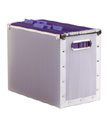
There are several storage ideas you can use to house your mail. Vertical hanging pockets, desktop files or literature sorters work to separate and contain the mail until you can deal with it.

Mail  Rule #2: Deal with the ACTION items and BILLS weekly.

Step 1: Set aside 20 -30 minutes a week to handle the action items you have set aside and to pay the bills that have come in. I suggest weekly payment of the bills unless you already have a plan that ensures all bills are paid on time. This is the time to make that call, reply to that invitation, or send that email, whatever it takes to handle all the items in the ACTION folder.

file

Step 2: Be sure to mark all important dates on your calendar. Clear out this folder each week and you will never again forget to RSVP, pay a late charge on a bill or have to apologize to your child because you lost their permission slip to the museum.

Here is your assignment: Decide how you want to contain your mail and set it up. Whether you use labeled hanging folders in a desktop file or pockets hung on the wall, or a literature sorter, find something that will work for you. Sort the mail each day as it comes in. Pick one day that you will deal with the ACTION items.

Let me know how you do.

3 Tips to Organize for Back to School

Great ideas for back to school

It’s back to school time. Are you ready or are you dreading the start of a new school year? If your last year was filled with stress and disorganization, then take a deep breathe. We have three home projects you can quickly do while you wait for the supply lists to come from the school. With a system for handling papers, a launch pad area and a family calendar in place you will start the year off on the right track.

  1. Set up a system for handling the incoming and outgoing papers. Using a simple in/outbox system for each family member helps reduce the hunt for that permission slip or the emergency contact form that needs to be sent back. Help children empty their backpacks daily and put papers that need to be signed or seen by a parent in the parent’s box. Once signed it is returned to the child’s box or put back in the backpack. If possible, set this up near the door that is used most often. Office type in/out boxes come in plastic, metal, bamboo, and fabric covered cardboard. Pick something that makes you feel good. If you’re short on flat counter space use the wall and hang a literature rack, or Pendaflex has a hanging file with 4 poly pockets.
  2. The launch pad or landing pad area is probably already established. It is the place where things get “plopped” on their way in the door and also when they are waiting to go out the door.  Why not make it more efficient and create places for those things you use daily? Have coat hooks for children (at their height) and a place for their backpacks, shoes, musical instruments, library books and/or sports equipment bag. A key rack and place for your cell phone, pocketbook and/or briefcase will save you time and energy too. With everything in one place, and set out the night before, there is less chance of forgetting things and you and your children will start the day off feeling confident.
  3. Central calendar: Having one main calendar for the entire family to use to post appointments, practices, and special events helps avoid overbooking and/or missed appointments. Let each family member use a different color marker on the calendar and be sure that all family members are included. If you use a planner or digital calendar be sure to input the new information so that you are up to date. Pick one day a week to review and plan the upcoming week. Sundays work well for many busy families.